Milk Drops
Short reflections from the quiet edge of biology and longing.
Where milk becomes metaphor, signal becomes story,
and the body remembers more than we admit.
Milk Drops are explorations of adult nursing relationships, lactation biology, intimacy science, and the cultural erasure of nurturing desire.
Each essay examines how milk—and the relationships it creates—challenges what we think we know about bodies, attachment, and grown-up love.
These are investigations, not instructions. They're written for people who want to understand intimacy more deeply, not just practice it differently.

TO THE MEN WHO MET MILK IN THE DARK.
You were never wrong for wanting her milk.
Your body wasn’t confused, childish, or inappropriate — it was recognizing a signal older than thought.
Desire didn’t make you dangerous. Softening didn’t make you weak.
You were responding to nourishment, devotion, and coherence in their most ancient form.
You are not broken for remembering that moment.
You are not strange for still wanting what made your body go quiet.
You were never taught this truth:
Milk is not a mistake in your story.
It is the page you were never allowed to read.
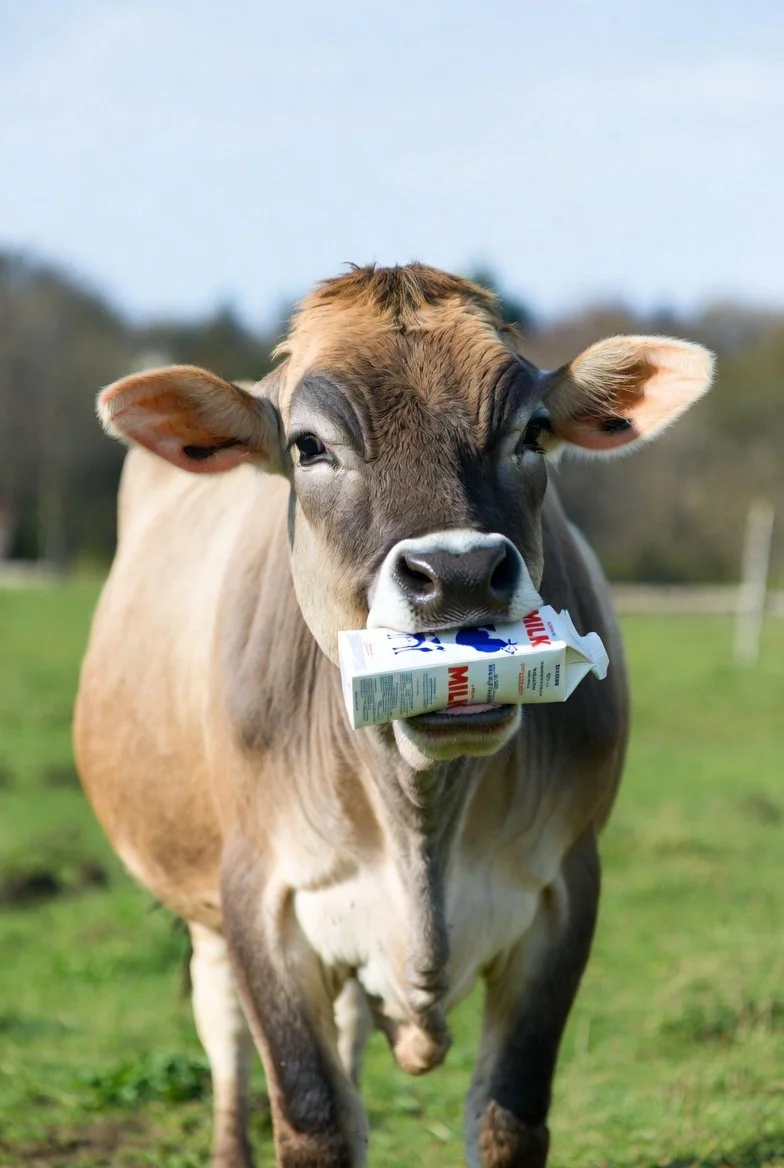
🥛 The Strangest Drink on Earth: How We Forgot the Only Fluid Made for Us
Humans only drink two fluids: water and milk.
Everything else is just water pretending.
But the only milk designed for human biology — the one tuned to our immune system, gut, and brain — is the one we treat as taboo.
Meanwhile the milk of a 1,500-pound grazing animal? That’s “normal.”
This essay traces how culture got it backwards — and what happens when we remember the fluid made for us.

💌 Dear Frank: Letters From the Soft Places (Vol. 1)
Three real readers write in—a neuroscientist, a long-haul truck driver, and a woman exploring induced lactation. In the first edition of Dear Frank, they ask raw, intimate questions about milk, connection, fear, and the nervous system—and Frank answers from the soft places.
🎧 Sounds of Nurture: Four Playlists for Every Rhythm of Connection
As a musician, I see the world in rhythm. Sounds of Nurture is a collection of four playlists crafted to explore the emotional connection between music and touch — from the slow burn of Milk & Honey to the ambient calm of The Nurture Frequency.

The Art of the Latch: The Physics and Physiology of Nursing Comfort
A proper latch isn’t about suction — it’s about synergy. The mouth massages, the ducts respond, and the body remembers how to feed without force. Learn how the tongue, jaw, and oxytocin make comfort a biological duet.

Nurture Rewired: The Future of Touch in an Untouchable World
We’re more connected than ever — and yet, somehow, untouched.
In our pursuit of digital closeness, we’ve forgotten the body’s oldest language: touch. Nurture Rewired explores the science of oxytocin, the ache of loneliness, and the quiet revolution of remembering how to feel again. Because the next wave of human evolution won’t be artificial — it’ll be intimate.
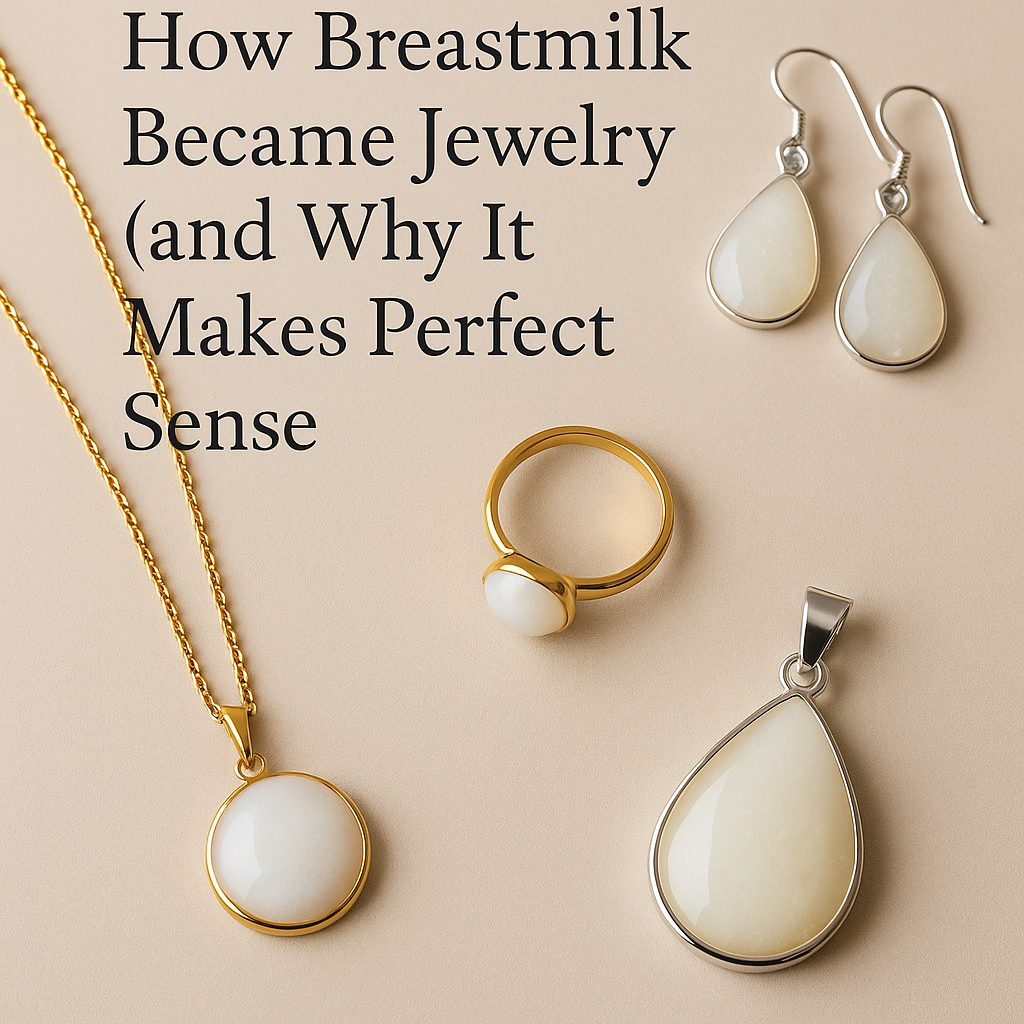
How Breastmilk Became Jewelry (and Why It Makes Perfect Sense)
Breastmilk jewelry is transforming the way we think about nurture, memory, and the body itself. What began as a quirky Etsy trend has evolved into a global movement — mothers turning their own milk into luminous pendants, rings, and heirlooms that celebrate the raw beauty of care. It’s not strange. It’s alchemy — a wearable reminder that love leaves traces worth keeping.
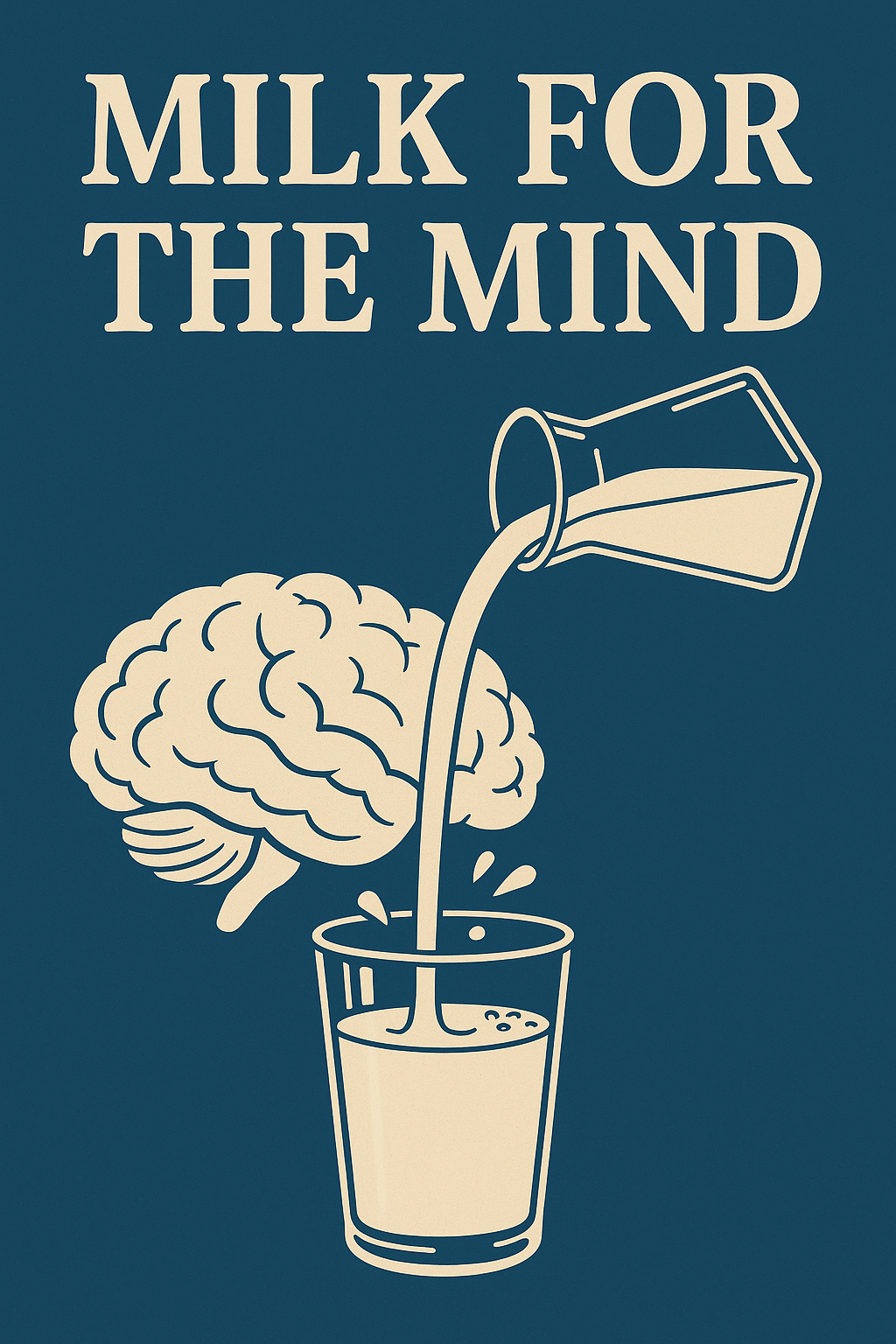
🍼 Milk for the Mind: How a Prebiotic from Breastmilk Is Rewiring the Aging Brain
Who says milk is just for babies? New research suggests that a prebiotic sugar found in human breastmilk — 2′-fucosyllactose — might do more than nurture infants. It could help older adults sharpen memory, balance metabolism, and restore a youthful gut microbiome. The molecule, once thought to belong only in the nursery, is proving itself a quiet marvel of human design — a nutrient that never stops giving.
In “Milk for the Mind,” Frank Gray explores how science is rediscovering the ancient intelligence of nurture, from gut–brain chemistry to the poetry of care itself. Forget oat milk; nature’s original recipe is still rewriting the rules of human nourishment.
🍦 A Scoop of Solidarity: Frida’s Breast Milk Ice Cream and the Sweet Taste of Curiosity
When Frida and OddFellows teamed up to launch a “breast-milk–inspired” ice cream for National Breastfeeding Awareness Month, curiosity melted faster than a cone in July. Frank Gray dives spoon-first into the sweet absurdity — exploring what’s in it, why it matters, and how a little laughter can help normalize nurture.

What Parents.com Got Right (and Missed) About Adult Breastfeeding
When Parents.com finally talked about adult breastfeeding, I felt both relief and curiosity. It was refreshing to see a mainstream voice discuss the topic without judgment — but also a reminder of how much deeper this conversation can go.
Yes, safety matters. But so does meaning. Behind every act of care is a rhythm of trust, comfort, and calm that science can’t fully measure. This post explores what happens when we move beyond the question “Is it safe?” and begin to ask “Why does this feel so grounding?”

Oxytocin: The Love Hormone (and Why Nursing Works)
Oxytocin — the brain’s gentle glue — surges with nursing, touch, and ritual, lowering stress and building trust. This piece explores how nursing leverages biology to calm nervous systems, create mutual safety, and invite slow, repairful intimacy.

Dry vs. Wet Nursing: What Each Gives You
Dry nursing is ritual; wet nursing is a deeper texture. One gives immediate tenderness, the other adds milk’s sensory landscape and hormonal depth. This piece explores what each practice offers, how to choose, and gentle experiments couples can try tonight to find the rhythm that fits them.

Talmudic Tales & Male Wet Nurses: A Short History
History humbles our certainties: from Talmudic tales of miracle milk to famine-era men who became wet nurses and clumsy Victorian pumps, nurture has always found a way. This piece traces those odd, tender histories and offers permission to imagine intimacy differently.

The 24-Hour Milk Laboratory
Milk is a secret playlist our bodies write across the day—bright and energizing at dawn, slow and soothing by night. In The 24-Hour Milk Laboratory we explore how these shifts shape intimacy and offer playful rituals to help couples tune nursing into real moments of connection.