🍼 Milk for the Mind: How a Prebiotic from Breastmilk Is Rewiring the Aging Brain
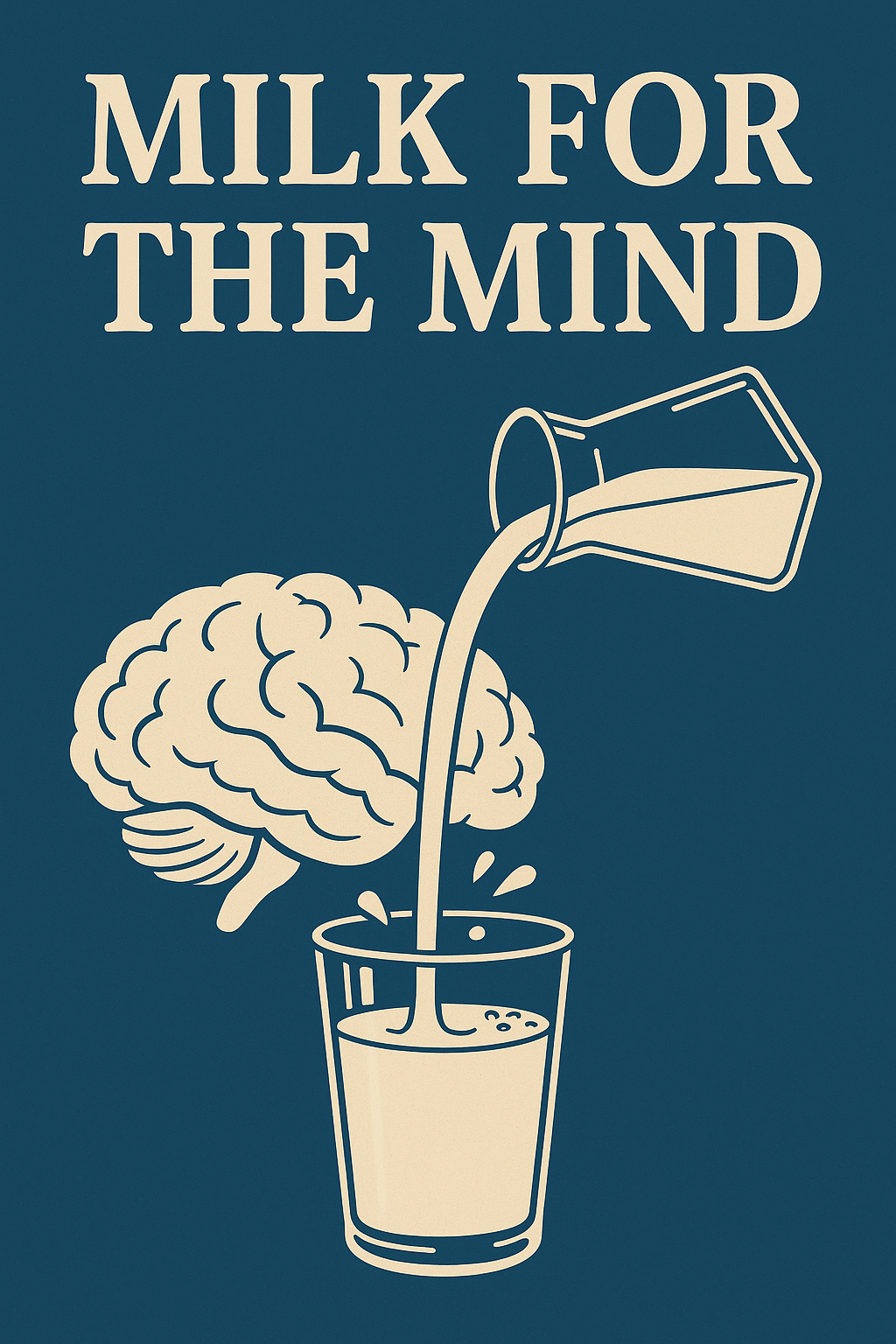
Who says milk is just for babies?
Apparently, nature didn't get the memo. The same molecule that helped wire infant brains and build early immune systems may also sharpen memory, boost metabolism, and rejuvenate the microbiome of older adults. Forget oat milk — the newest frontier in human nutrition comes straight from the original source: human milk oligosaccharides from breastmilk, and they're revealing why the biological intelligence of breastmilk extends far beyond infancy.
Specifically, we're talking about 2′-fucosyllactose (2′-FL), a human milk oligosaccharide (HMO) that's turning heads in longevity research and adult breastfeeding research. And no — this isn't sci-fi. It's Cell Reports Medicine, 2025.
What Are Human Milk Oligosaccharides (HMOs)?
Human milk oligosaccharides (HMOs) are complex sugars found exclusively in breastmilk that feed beneficial gut bacteria rather than the infant or nursing adult. The most studied HMO, 2'-fucosyllactose, has shown promise in reducing cognitive decline and improving brain function in adults, according to emerging research including the RAMP trial. These breastmilk prebiotics represent the third most abundant solid component of human milk after lactose and fat.
The Molecule That Grew Up
HMOs are complex sugars unique to human milk, designed not to feed the baby directly, but to feed the bacteria that feed the baby. About 10% of the dry weight of human milk is made of these prebiotics — invisible architects building the infant gut and brain.
Scientists at Stanford and Abbott Nutrition recently wondered: could those same molecular signals still talk to the aging body? So they ran what's now known as the RAMP Trial — a randomized, double-blind, placebo-controlled study of 89 healthy adults aged 65–80, given either placebo, 1 g, or 5 g of 2′-FL daily for six weeks.
The results were quietly revolutionary.
Why Adult Breastfeeding Matters for Brain Health
The research on HMOs opens intriguing questions for adult nursing relationships. While the RAMP trial used synthesized 2'-FL supplements, the findings validate what practitioners have intuited: breastmilk's dynamic composition isn't just evolutionary accident—it's adaptive intelligence that may benefit humans throughout the lifespan, not just during infancy.
For those practicing adult breastfeeding, whether in the context of induced lactation or postpartum nursing relationships, the presence of HMOs adds another dimension to understanding what's actually being exchanged. It's not just oxytocin and bonding—it's a cascade of prebiotic compounds that speak directly to the gut-brain axis.
What They Found (and Why It Matters)
Participants on the high-dose 2′-FL saw a resurgence of Bifidobacterium — the same beneficial microbes abundant in breastfed infants but scarce in older adults. These bacterial shifts correlated with lower fasting insulin, higher HDL cholesterol, and an uptick in FGF21, a metabolic hormone tied to longevity and energy regulation.
Translation: the gut acted younger.
Even more intriguing, those same participants performed better on a visual memory test — the Rey–Osterrieth Complex Figure, a standard measure of spatial recall. It's the kind of improvement you don't usually see from a sugar molecule, unless it's connected to a larger web of gut–brain chemistry.
The scientists described it as "tentative but biologically plausible." I'd call it poetic.
The Gut–Brain Feedback Loop
If you've followed the science of the microbiome, you know this story keeps circling back to the same truth: the gut and the brain are one system having a long conversation. Every time you feed your microbes, they feed you back — with neurotransmitters, immune signals, and molecules that regulate mood, metabolism, and cognition.
That's why this finding matters. It reframes nourishment not as something that ends with weaning, but as a lifelong feedback loop between what we eat, what eats inside us, and how we think. How HMOs reshape the microbiome reveals the mechanism behind this ancient biological conversation.
It's nurture, scaled to the molecular level.
From Cradle to Longevity Lab
The RAMP study wasn't the first to see this pattern — just the first to show it so clearly in older adults.
In 2016, researchers found that infants fed formula containing 2′-FL had lower inflammatory cytokines, mirroring breastfed babies.
A 2023 study in Nutrients reported that adding 2′-FL to adult diets shifted gut metabolites toward a more "youthful" profile.
And in 2024, an American Journal of Clinical Nutrition trial showed that pairing 2′-FL with oligofructose not only altered microbial composition but also reduced stress-related mood disturbance.
What ties all of these together is the same whisper in the data: this molecule knows us. It once helped us grow. Maybe it's here to help us remember.
Feed Your Inner Baby
We think of nursing as an act that ends with weaning. But what if the real nourishment never stopped — it just changed form?
What if the same molecules that bonded us to our mothers are the ones that help us hold onto our memories? The same chemistry that helped us become conscious might also help us stay that way. Understanding the only fluid made specifically for humans means recognizing that breastmilk's value doesn't expire at infancy.
So no, I'm not suggesting you start pumping. Just consider this: your gut might be hungry for a little nostalgia.
For those exploring adult nursing relationships gaining scientific validation, the HMO research adds credibility to what the body already knows: this practice offers benefits that modern science is only beginning to measure.
✨ Feed your inner self.
For more on the science of milk-based intimacy, NURturing deSirE explores how ancient biological wisdom meets modern relationship practice.
Read Milk for the Mind and other essays for free at
👉 nurturingdesire.com/milk-drops
Sources
D. J. Cowan et al., A human milk oligosaccharide alters the microbiome and metabolic markers in older adults (RAMP Trial), Cell Reports Medicine 2025, 6(10):101234.
M. Vázquez-Vázquez et al., 2′-Fucosyllactose and Oligofructose Supplementation Modulate Microbiota Composition and Reduce Stress in Adults, American Journal of Clinical Nutrition, 2024.
C. Puccio et al., Effects of Infant Formula Supplemented with 2′-Fucosyllactose on Immune Markers and Microbiota, Nutrients, 2023.
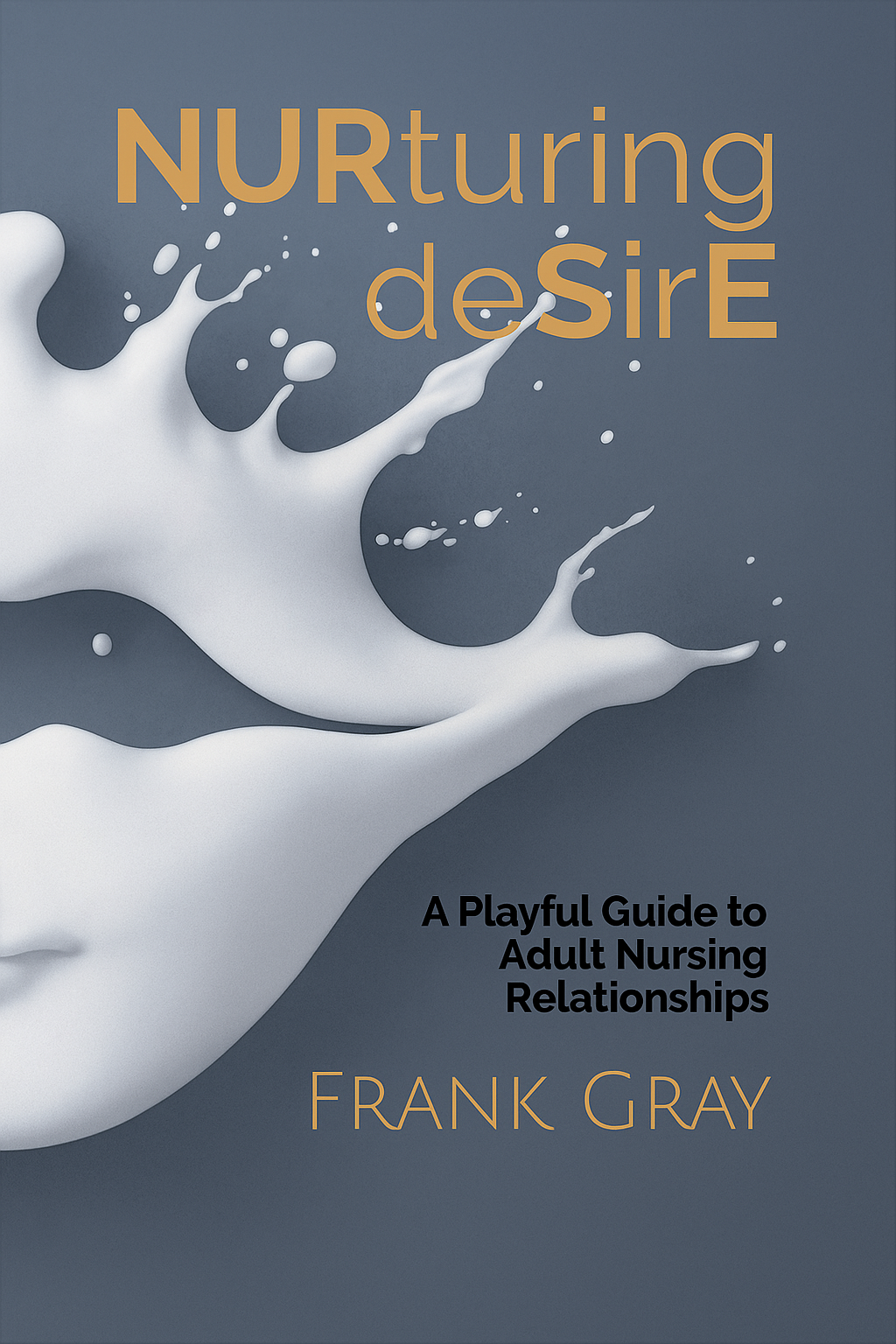
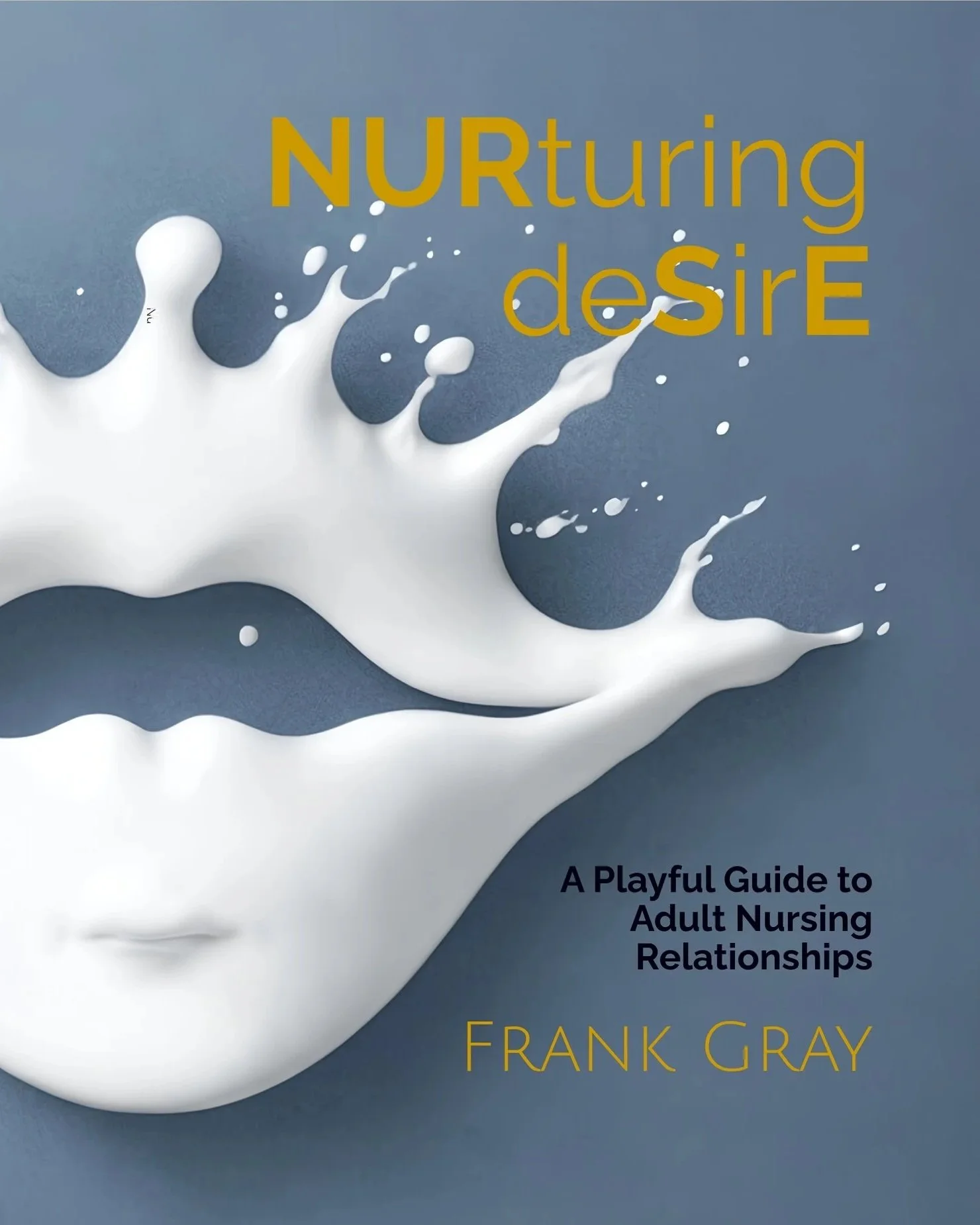

NURturing deSirE: A Playful Guide to Adult Nursing Relationships
By Frank Gray
A thoughtful, intimate exploration of adult nursing relationships (ANR) as a practice of deep connection, co-regulation, and embodied trust between consenting adults. This book invites readers to reconsider how desire, nurture, and intimacy naturally intertwine—framing adult nursing not as fetish or novelty, but as relational practice rooted in comfort, communication, and mutual care.
Through reflective storytelling, grounded psychology, and practical guidance, you'll explore vulnerability, consent, boundaries, and emotional safety—the foundations of any enduring intimacy.
Inside You'll Find:
- Clear, compassionate discussion of adult nursing relationships
- Insight into the emotional and physiological foundations of nurturing touch
- Guidance for talking with a partner about curiosity, desire, and consent
- Exercises and prompts designed to deepen trust and connection
- A tone that is playful, reverent, and deeply human—never clinical or sensational
Written for adults, by adults, centering consent, respect, and emotional maturity throughout.
Whether you're curious, already practicing, or seeking more tender and embodied intimacy in your relationship, NURturing deSirE offers reassurance, clarity, and permission to honor what feels true in your body and your bond.
SIGNED & INSCRIBED EDITION - LIMITED AVAILABILITY
For readers who wish to hold something truly personal, this limited edition includes a hand-signed inscription written especially for you by author Frank Gray. Each copy features a unique, heartfelt message of encouragement, gratitude, or resonance—making your book one of a kind.
Perfect as:
- A meaningful gift for your partner
- A keepsake commemorating the start of your ANR journey
- A tangible symbol of validation and support
- A collector's item for those who connect deeply with the book's message
- Paperback format: 9" × 7"
- Hand-signed by Frank Gray
- Personalized inscription (specify name/message at checkout)
- Ships within 5-7 business days
- $25
This is more than a book—it's an intimate extension of the book's spirit of connection and care, personally crafted for you.