In All Directions: Queer Desire and the Ritual of Nursing
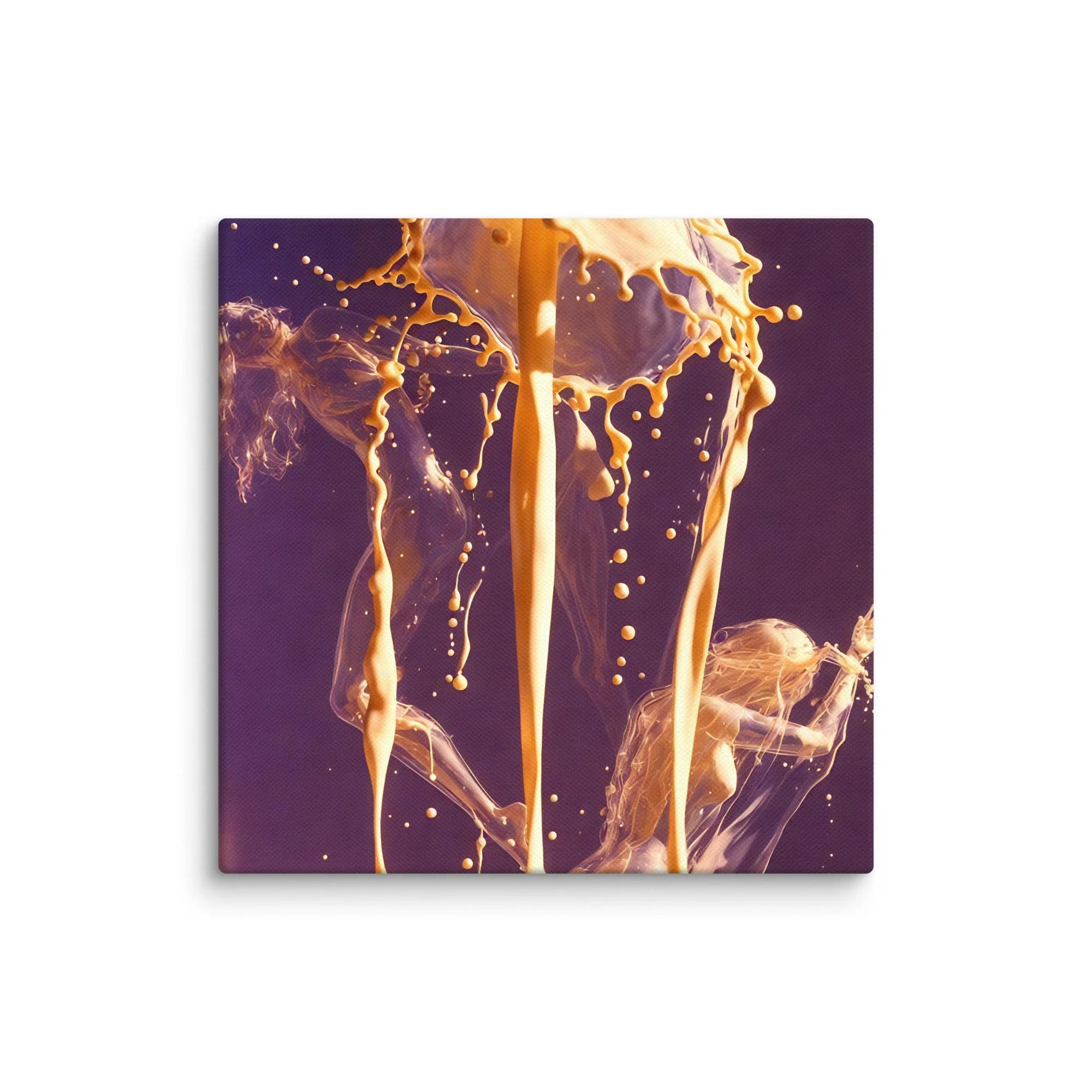
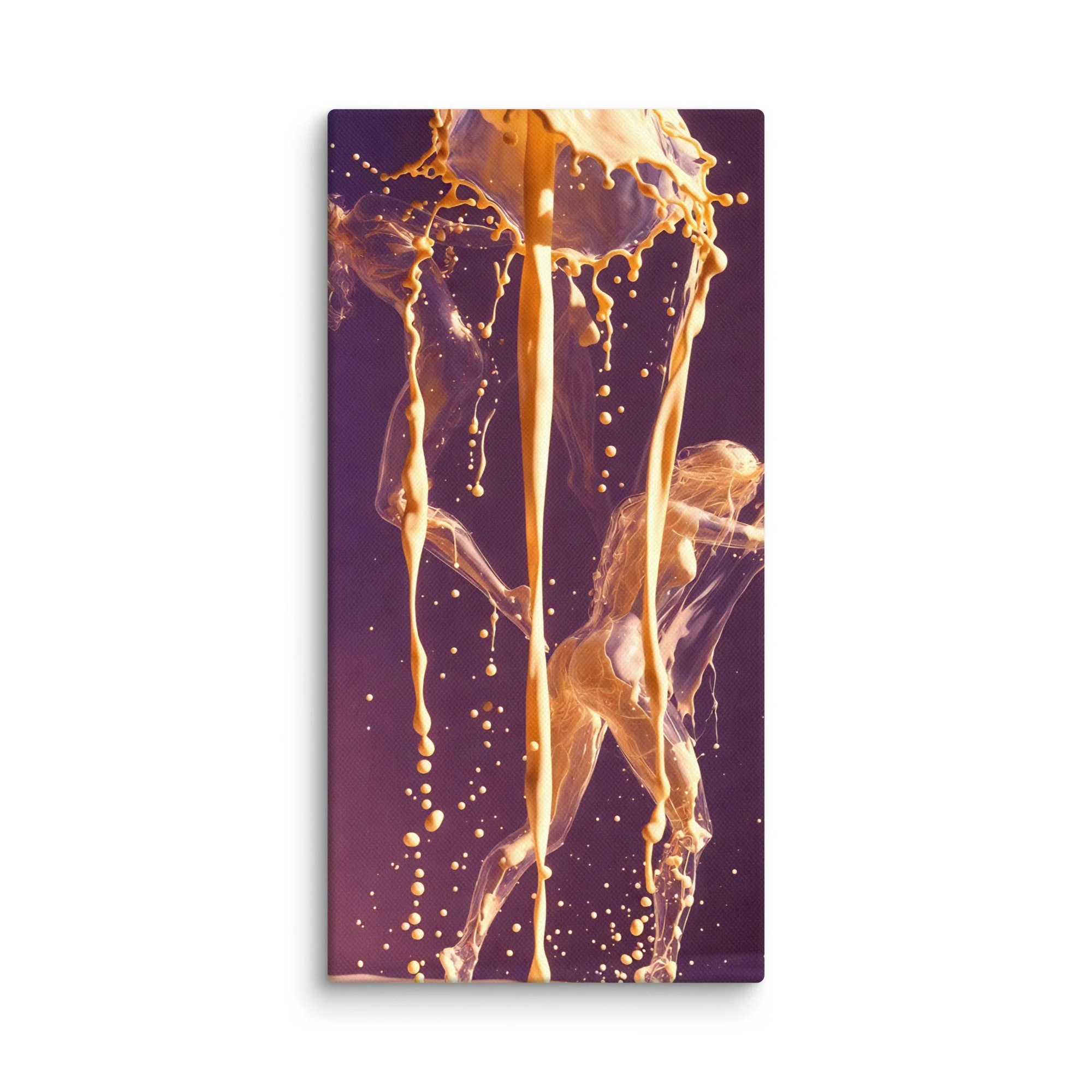


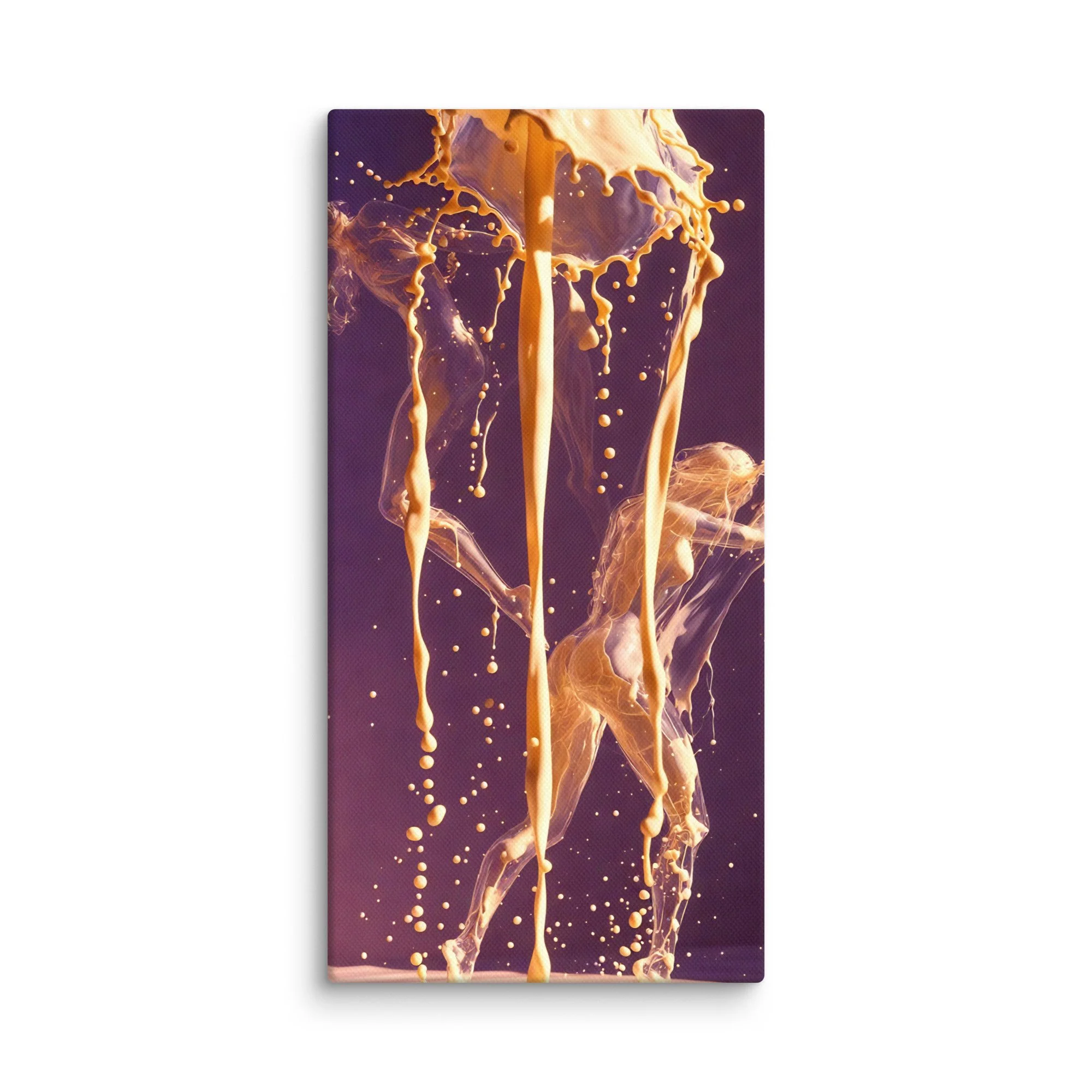




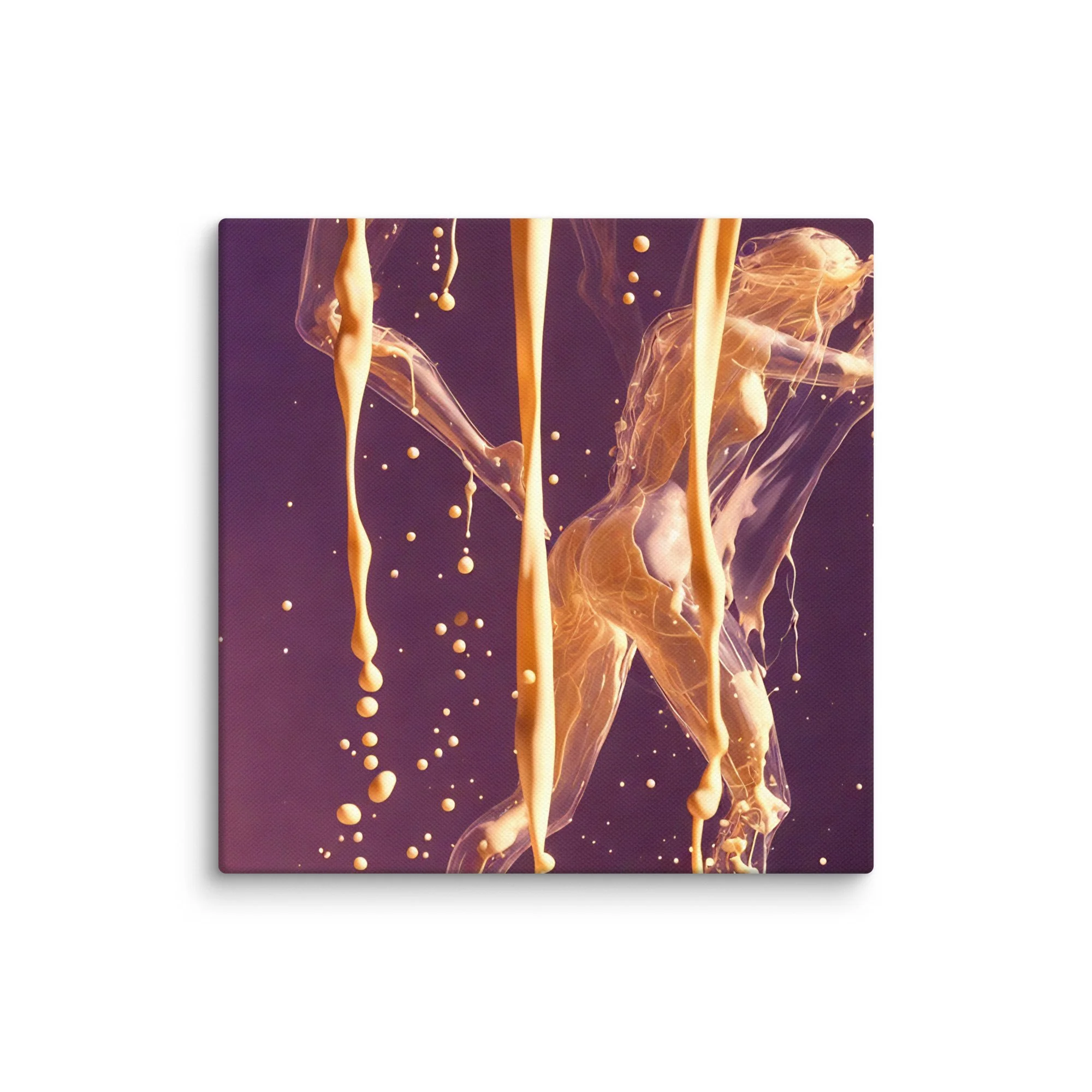
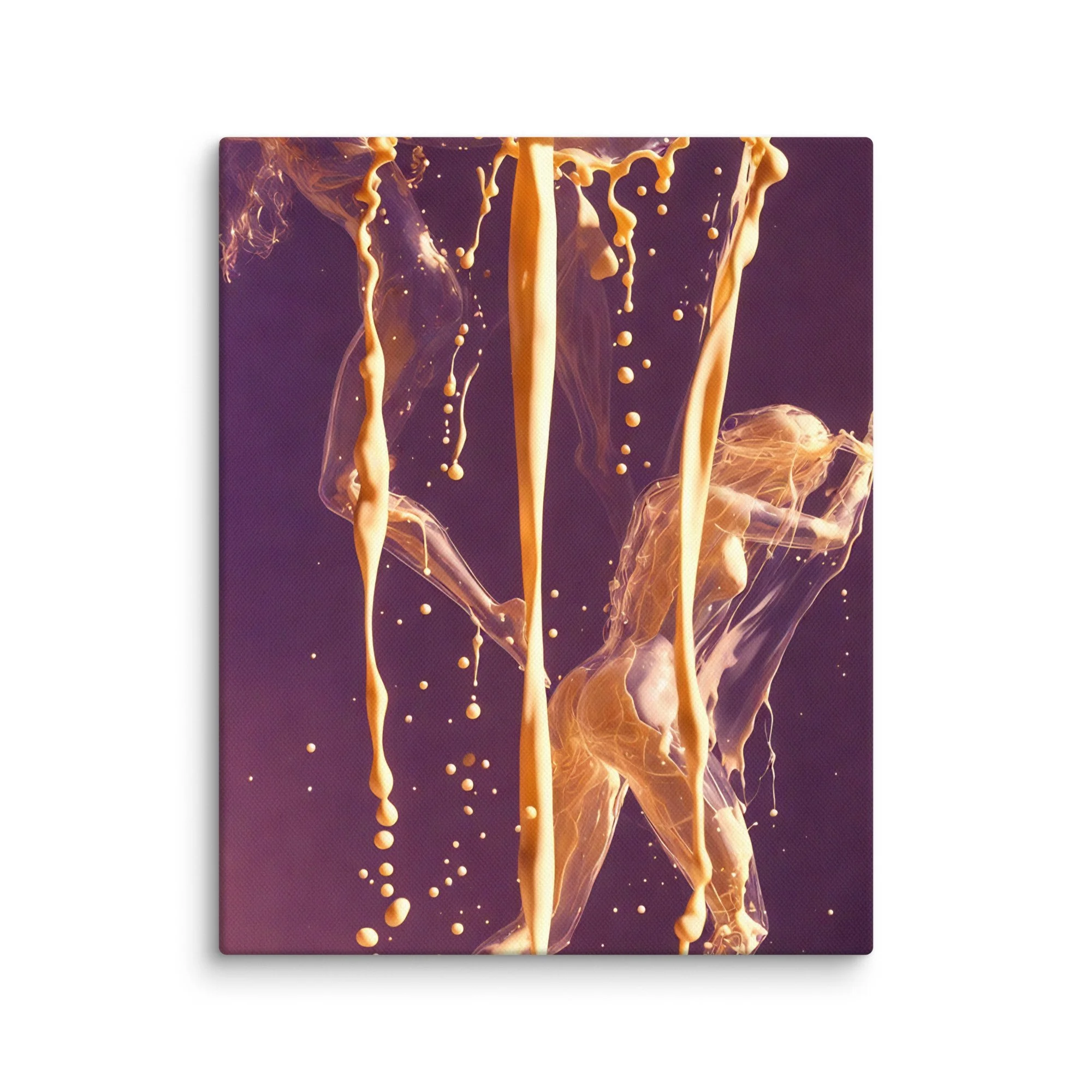

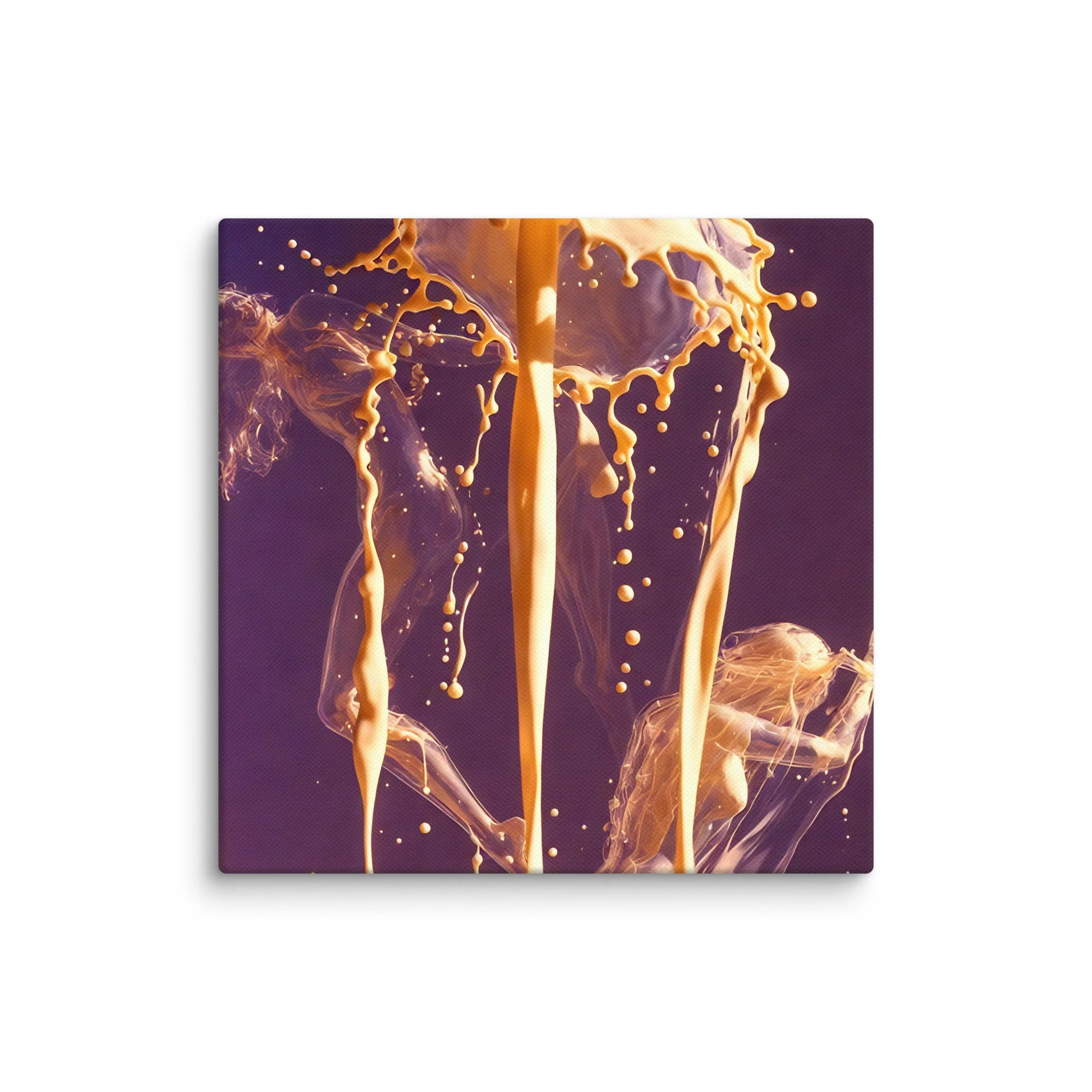

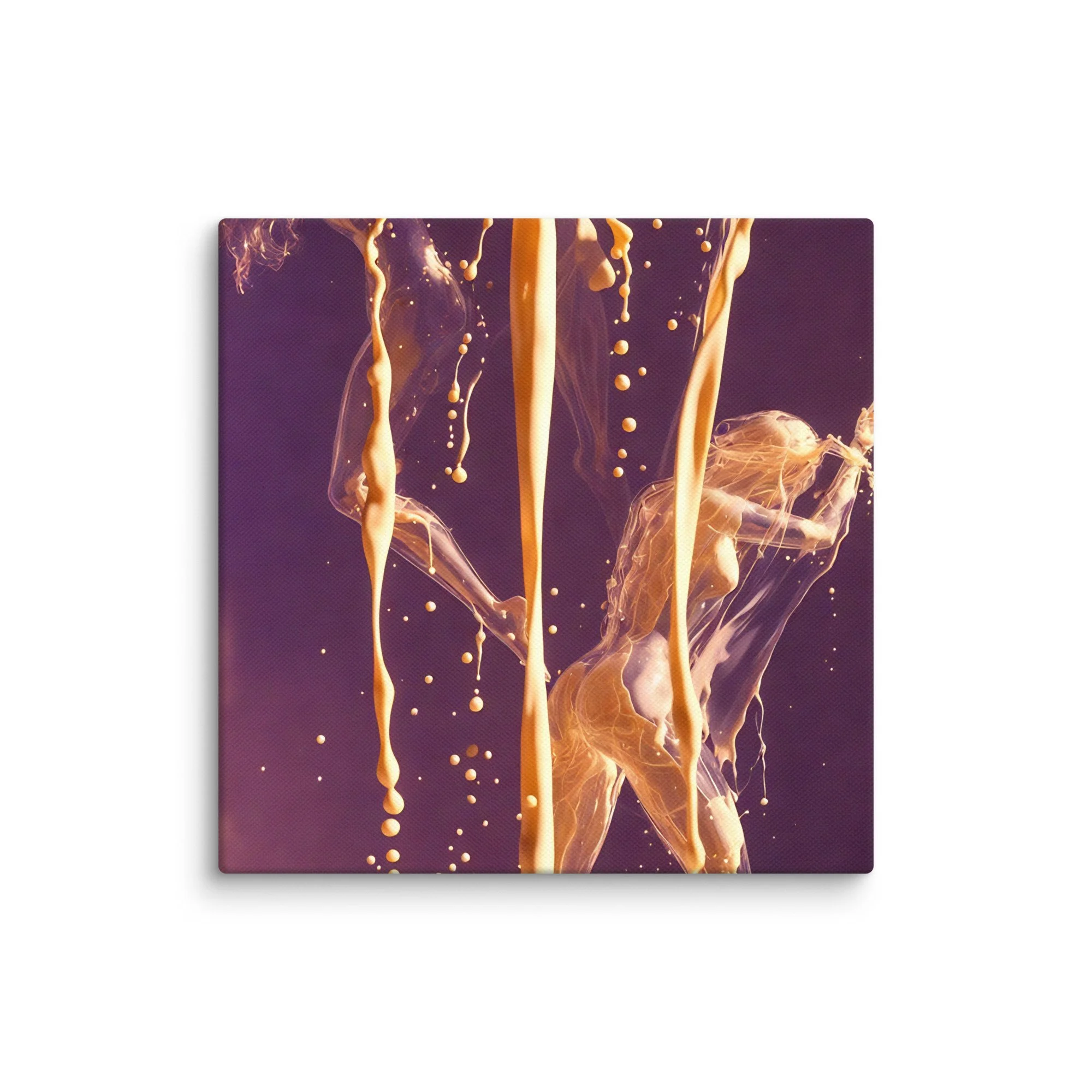




Celebrate sovereignty over your own body with this powerful symbol of choice and divinity. Museum-quality wall art depicting milk as coronation—perfect for bedrooms, ritual spaces, and anywhere you reclaim intimacy from shame.
Milk cascading from above, forming a crown mid-fall. Two figures made of liquid light, caught in the sacred moment of anointing. This isn't consumption—this is coronation. You are being crowned sovereign over your own body, your own pleasure, your own choice to receive what flows down.
Crown: Symbol of sovereignty, divinity, rulership. But also: the physical shape milk makes when it hits surface—the "milk crown" captured in high-speed photography, the splash frozen into perfect symmetry. This image makes both meanings literal. You are crowned with milk. You are crowned by milk. The substance and the symbol are one.
The golden cascade pouring down isn't just nourishment—it's anointing. Kings and queens throughout history were crowned with oil, with water, with sacred substances poured over their heads. This is the same ritual, the same recognition: you are royalty. Not because of lineage or conquest, but because you chose to receive what flows freely, to be vulnerable enough to stand beneath the pour and let it crown you.
Two figures, two crowns: One above, mouth open to the sky, receiving the full cascade. One below, reaching up, celebrating the overflow. This is partnership in sovereignty—not one crowned and one serving, but both royal, both anointed, both transformed by the golden pour.
Purple background = royalty. Gold milk = precious metal, liquid treasure. The crown forming at the top = the moment transformation becomes visible. You are not begging. You are not asking permission. You are being crowned.
This artwork reclaims nursing as ritual of sovereignty. Not infantilization. Not regression. Coronation. The recognition that choosing to receive, choosing to be nourished, choosing to stand vulnerable beneath the pour—this is power, not weakness. This is royalty, not servitude.
Perfect For:
- Bedroom wall art celebrating bodily autonomy
- Home decor reclaiming intimacy from cultural shame
- Gifts for those who understand receiving as sacred choice
- Anyone practicing sovereignty in relationships
Premium Museum-Quality Canvas:
- 1.25″ thick gallery-wrap
- Premium poly-cotton blend fabric (10.15 oz/yd²)
- Fade-resistant archival inks
- Hand-stretched over solid wood stretcher bars
- Mounting brackets included—ready to hang
- Available in 5 size tiers: XS (6×6-8×12) $40, S (9×12-12×12) $55, M (12×16-16×20) $75, L (16×24-18×24) $105, XL (18×26-10×20) $145
- Made-to-order to reduce waste
Custom-made when you order. Ships from USA, Canada, Europe, UK, or Australia.
Lately I've been reflecting on what it means to make space for every kind of body, every kind of bond, in this nursing world we're building. I've always believed that milk spirits are mischievous shape-shifters. They don't ask permission, don't check boxes, don't care about the stories the world tells about who is allowed to give and who is allowed to receive. They simply flow—or they don't—and desire follows close behind, tracing its own quiet path through bodies that refuse to be neat.
Tonight I'm thinking about the lovers who write to me from places the wider conversation rarely reaches. Two women who, after years together, decided one would induce so the other could drink deeply from her each evening—a ritual that turned their bed into a small galaxy where roles dissolved and only warmth remained. A trans woman who told me that the first drops that arrived after months of careful protocol felt like her body finally speaking in its true voice, and how her partner knelt in reverence the first time they tasted her. A non-binary couple who alternate who nurses and who is nursed, letting the rhythm shift with mood, with hormones, with the moon—because why should nurture be tethered to a single direction?
These stories arrive in my inbox like soft knocks on a door I'm honored to open. They remind me that adult nursing relationships have never truly belonged to any one shape of love. It is older than categories, older than the words we use to fence desire in or out.
Queer Bodies, Ancient Practice: ANR in LGBTQ+ Relationships
Adult nursing exists across the full spectrum of gender and sexuality, though you wouldn't know it from most mainstream coverage. The practice is frequently framed as exclusively heterosexual, exclusively cisgender, exclusively following a particular script of who gives and who receives.
But the reality is far more expansive.
Lesbian couples have been practicing adult nursing for as long as lesbian relationships have existed. Some induce lactation through consistent stimulation and herbal support. Others practice dry nursing as a form of intimacy that doesn't require milk production. Many switch roles—nursing each other in turn, allowing both partners to experience giving and receiving.
Gay male couples explore nursing through chest stimulation and the bonding effects of sustained intimate touch. While lactation is rare in cisgender male bodies, the oxytocin release and nervous system regulation that comes from nursing practices works regardless of milk production. Some gay couples incorporate nursing into their intimacy practice as a way to access tenderness that mainstream gay culture doesn't always create space for.
Trans individuals practicing adult nursing represent a particularly rich and underexplored dimension of this work. Trans women on feminizing hormone therapy can induce lactation through a combination of hormonal protocols and consistent nipple stimulation. Trans men who haven't had top surgery may continue to lactate or can induce lactation. Non-binary people with various hormonal profiles and chest configurations find nursing practices that honor their specific embodiment.
Polyamorous and non-monogamous configurations create even more fluid possibilities—multiple nursing relationships, communal care dynamics, chosen family structures where nursing becomes one thread in a larger web of mutual nourishment.
The common thread isn't body type or relationship structure—it's the willingness to explore nurture as a shared practice, free from rigid scripts about who should give and who should receive.
Trans Lactation: Bodies Speaking Their Truth
When I draw the milk spirits for The Milky Way, I give them no gender. They are luminous, fluid, sometimes panicked, sometimes blissed-out, always a little impish. One week they might be ejected from the ducts in a chaotic spray; the next they float in serene communion. They mirror us: sometimes we are the one overflowing, sometimes the one aching to receive. Sometimes both in the same breath.
For trans women, the journey to lactation can be deeply affirming. The protocols typically involve:
Hormonal preparation: Adjusting estrogen and progesterone levels to mimic pregnancy and lactation hormones, in consultation with an endocrinologist or informed healthcare provider.
Galactagogue support: Domperidone (where legally available) to increase prolactin, combined with herbal supplements like fenugreek and blessed thistle.
Consistent stimulation: Regular pumping or nursing sessions (ideally 8-10 times daily initially) to signal the body that milk production is needed.
Timeline patience: Trans lactation induction can take 3-6 months of consistent effort, though some people see results faster.
The emotional significance often outweighs the practical challenges. Many trans women describe lactation as gender euphoria made visceral—proof that their bodies can do what they've always known they should be able to do. When a partner receives that milk, it becomes a form of recognition and celebration.
Trans men who retain chest tissue after top surgery, or who choose not to have top surgery, may continue to have functional mammary tissue. Some report spontaneous lactation during pregnancy (for those who carry), while others could theoretically induce. The decision to engage with this capacity is deeply personal and varies widely.
Non-binary people navigate lactation based on their specific hormone therapy, surgical status, and relationship to their chest. Some induce specifically because it feels affirming of a nurturing aspect of their identity. Others avoid it because it triggers dysphoria. There's no single "non-binary experience" of nursing—only individual choices about how to inhabit one's body.
Fluidity as Practice: Why Queer Love Gets Nursing
Queer love, it seems to me, understands this fluidity instinctively. It has had to invent its own maps of intimacy, its own rituals of recognition. Nursing—wet or dry, induced or remembered—becomes another language in which to say: I choose you. I will hold you here, at the softest part of me. I will let you hold me.
Queer relationships often lack prescribed templates. Without heteronormative scripts dictating who does what, who gives and who receives, queer couples are already practiced in the art of collaborative invention. This makes the flexibility required for adult nursing feel natural rather than transgressive.
Role fluidity: Many queer couples already switch sexual roles, switch domestic roles, switch emotional labor. Switching who nurses and who's nursed is just another expression of that reciprocity.
Gender creativity: When gender itself is understood as fluid, embodied practices like nursing can be freed from rigid associations with "masculine" and "feminine." A trans woman nursing her cis girlfriend. A butch woman nursing her femme partner. A non-binary person nursing their agender partner. These configurations make perfect sense once we stop insisting nursing has a "natural" gender script.
Chosen family models: Queer communities have long understood family as chosen rather than biological. This extends to nursing—adult nursing relationships become another way to build kinship bonds outside conventional structures.
Comfort with the unconventional: Queer people are already accustomed to defending their intimacy practices against cultural judgment. Adult nursing is just one more thing the world doesn't understand—and queer couples are practiced at not caring.
The Particular Tenderness: Stories from Queer Nursing Couples
There is a particular tenderness in these accounts that stays with me:
The couple who laughed through the early awkward months of induction, celebrating every single drop like a shared secret. The partner who learned to massage and latch with devotion they once brought to other kinds of touch. The quiet pride in a body that society told "couldn't" now sustaining the person they love most.
From a lesbian couple in their 50s:
"After menopause, I thought my breasts were just... done. But my wife asked if we could try nursing anyway. Three months of consistent practice and suddenly I'm producing again. Not a lot, but enough. She says it tastes like memory."
From a trans woman and her non-binary partner:
"The first time milk appeared, we both cried. My partner said, 'Your body is magic.' It's the most affirmed I've ever felt in my skin."
From a gay male couple:
"We don't have milk, but we have this. Twenty minutes every night, him at my chest, my arms around him. People assume gay intimacy is always high-energy. This is the opposite. This is us finally being allowed to be soft."
From a polyamorous triad:
"We rotate. Monday/Wednesday/Friday, I nurse both of them. Other nights, one of them nurses me. It sounds complicated but it's the most natural thing we do. Everyone gets to be held."
I am careful not to romanticize the challenges. Induction protocols can be demanding. Bodies change. Desire and supply still dance their asymmetrical waltz. Dysphoria can complicate what should be simple. Finding healthcare providers who understand and support queer lactation goals can be frustratingly difficult.
But the same is true in every nursing bond. What strikes me is the creativity—the gentle, persistent invention of pleasure and care outside the expected scripts.
Milk Has Its Own Way of Traveling
Milk has its own way of traveling. Desire does too. Where one goes, the other usually follows.
In queer bodies, in chosen families, in loves that refuse easy labels, those paths can be wilder, more luminous, more defiant of gravity. The spirits don't mind. They simply rise to meet whoever calls them home.
If you are reading this and your love looks nothing like the pictures most often shown—if your nursing happens between two women, or a trans partner and a cis one, or across non-binary hearts—know that you are not an exception. You are part of the ancient, ongoing story. The spirits have always known your names.
The biology of bonding doesn't check IDs at the door. Oxytocin releases in queer bodies just as readily as straight ones. Nipples respond to stimulation regardless of the gender of the person doing the stimulating. Milk production follows hormonal signals and consistent demand—it doesn't require heterosexuality.
What queer nursing couples often discover is that the practice feels more right because it's freed from heteronormative baggage. There's no assumption that the person with breasts must be submissive, or maternal, or performing femininity. There's no assumption that the person receiving is passive, or infantilized, or less powerful. The practice can simply be what it is: two (or more) people choosing to nourish each other in a specific, embodied way.
Building Your Own Ritual
If you're a queer person or couple curious about adult nursing:
1. Release the template. You don't need to replicate heterosexual nursing dynamics. Create what works for your bodies, your relationship, your desires.
2. Communicate about gender. If nursing triggers dysphoria for anyone involved, honor that. If it creates euphoria, celebrate that. Make space for both.
3. Find affirming resources. Seek out lactation consultants, healthcare providers, and communities that understand queer embodiment. They exist, even if they're harder to find.
4. Experiment with roles. Who nurses whom doesn't need to be fixed. Try switching. Try both receiving. Try creating completely new configurations.
5. Honor your timeline. Induction takes time. Building comfort with the practice takes time. Let it unfold without forcing.
For queer couples, trans individuals, and anyone whose love refuses neat categories, NURturing deSirE welcomes you exactly as you are—creating space for nursing practices that honor every body, every bond, every direction desire chooses to flow.
With warmth,
Frank Gray



Desire doesn’t disappear with time—it settles, deepens, and waits. In this reflective essay, Frank Gray explores adult nursing in long-term relationships, where milk may no longer flow but warmth, memory, and tenderness remain. A meditation on dry nursing, devotion, and the vow beneath the vows.